We are a leading supplier of low/medium volume, medium-sized machined ductile iron and grey Cast Iron Castings. Our clientele includes non-auto OEMs making Compressors, Pumps, Plastic Molding Machines, Gearboxes, Textile machinery manufacturers, Locomotive Industry Players & other Equipment Industries. Our team, infrastructure & processes are capable of producing intricate ductile and grey cast iron castings for the engineering industry. For meeting the challenges, our team uses its ability of faster development and its flexible manufacturing approach and supporting infrastructure. To offer a unique customer advantage of shortening the lead time for equipment buyers, we have in-house machining facility which is again designed to cater to a variety of weight, size and volume requirements.
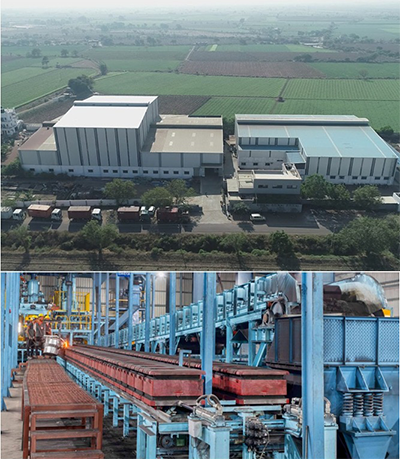
| Plant Area | 75000 sq. feet |
| Plant Capacity | 1500 MT/month |
| Spare Capacity | 700 MT/month |
| Materials We Use | All grades of ductile iron, All grades of cast iron, All grade of Carbon steel, All grade of Stainless steel, All grades of SG iron, Aluminum grades etc… |
| Product Range | 1 kg to 1000 Kg Single Piece |
Sand Casting Process
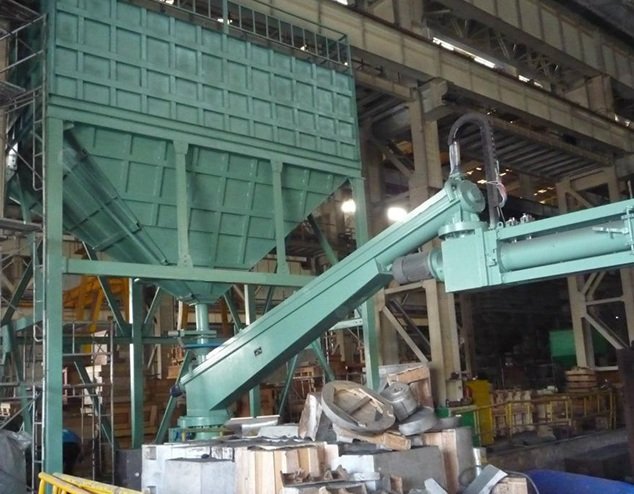
Step 1. Sand Preparation
Prepare sand and core sand for molding, generally using a sand mixer to mix the used sand and the right amount of clay.
Step 2. Pattern Making
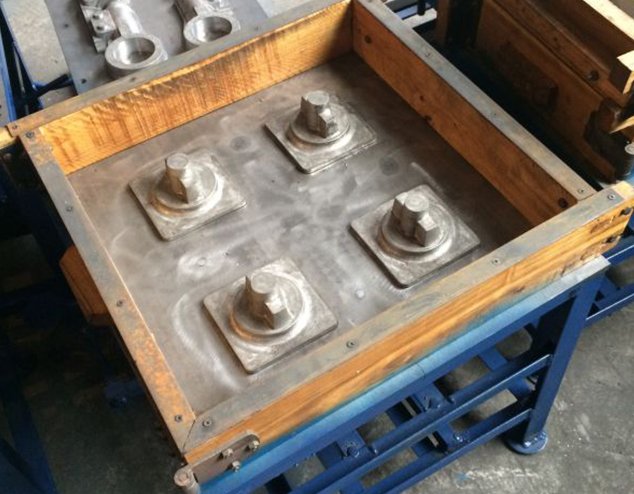
Molds and core boxes are made according to the part drawings. Generally, we can use wooden molds for single parts production, plastic or metal molds for mass production, and pattern plates for large castings. Nowadays, molds are made by engraving machines, so the production cycle is shortened significantly, and it could take 2 to 10 days for mold making.
Step 3. Molding
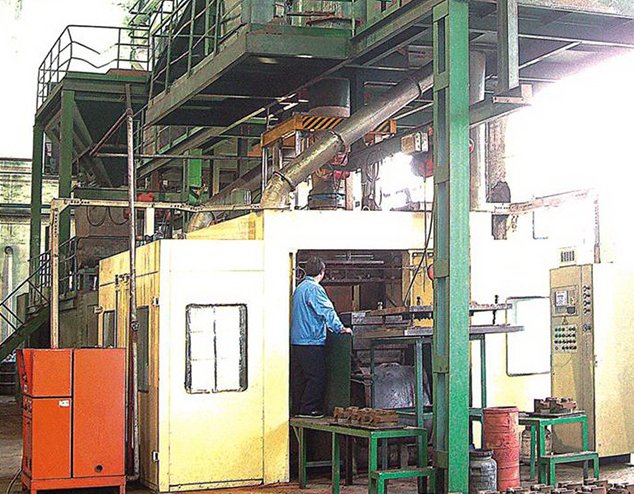
Molding includes sand molding, core making, and mold fitting.
Sand molding means forming the cavity for the casting from the molding sand
Core making refers to the production of the cores, which are used to form the internal shape of the casting.
Mold fitting is the assembly of the upper and lower sandboxes after the cores have been placed inside the cavity.
Molding is a crucial part of the casting process.
Step 4. Melting
The chemical composition needs to match the required metal. An electric furnace is used to melt the alloy material to form a qualified liquid metal.
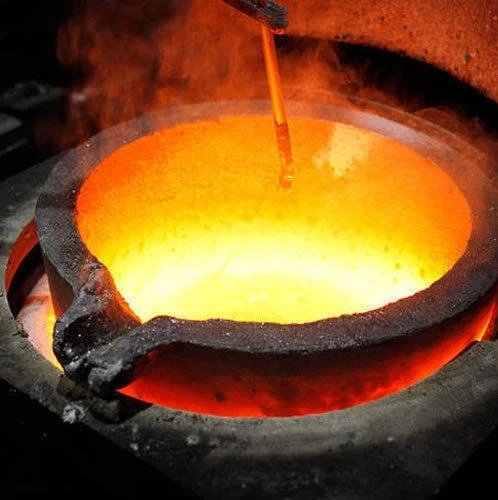
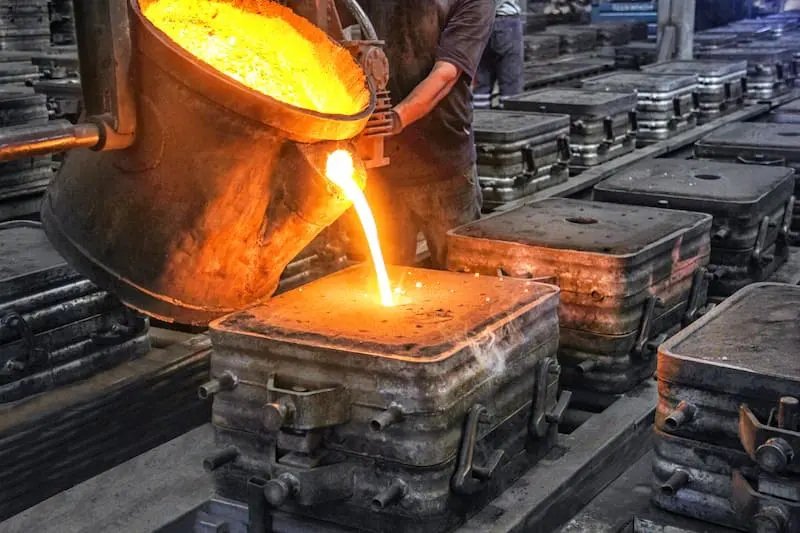
Step 5. Molten Metal Pouring
The molten metal from the electric furnace is poured into the mold using a ladle. The speed of pouring is critical to ensure that the molten iron fills the entire cavity. It is also dangerous to pour the iron, so be careful!
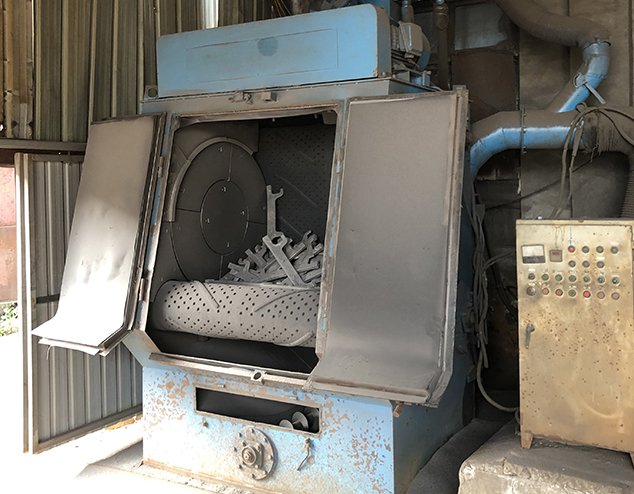
Step 6. Sand Removal
After the molten metal solidifies, take a hammer to remove the sprue and shake off the sand from the castings.
The castings are then blasted with a sandblaster to give a clean surface!
The casting blanks are ready to leave the factory after inspection.
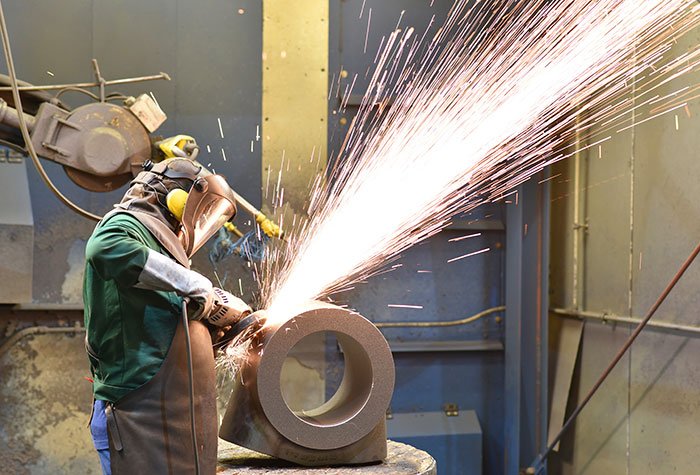
Step 7. Grinding
For castings with special requirements, or where the surface of the casting blanks cannot be up to expectation, simple grinding is necessary.
And grinding is usually done with a grinding wheel or grinder to remove burrs and give the casting a better finish.
Step 8. Inspection
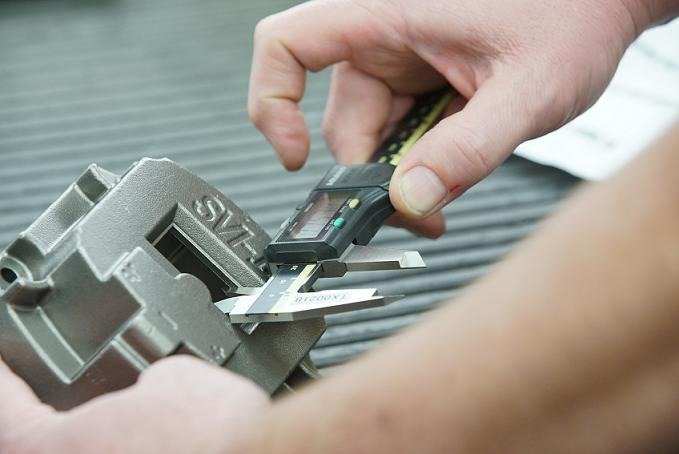
Usually, during the cleaning and grinding phases, non-conforming castings have been picked out. But still, final inspection is required. And for castings with assembly requirements, we need to make a set of tools or through-stop gauges for review to ensure no problems with the assembly.
Step 9. Package & Delivery
For Domestic supply we pack sand casting parts according to customer’s packing requirement and ship though reputed local carrier.
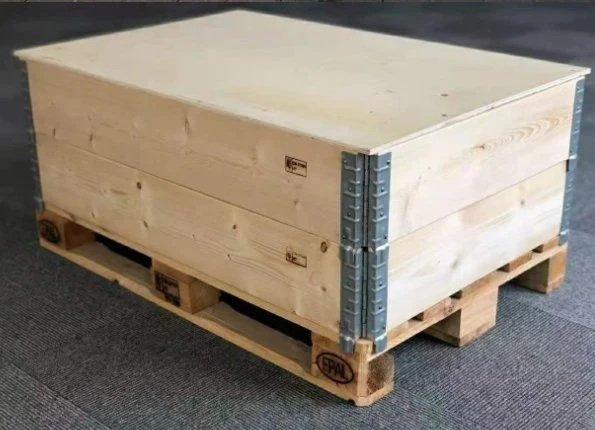
For export orders of sand casting parts, to protect products from damage, we pack products with ploy bag, and then put into standard wooden case. Besides, we can also customize package according to customer’s requirements. Located near Mundra and JNPT port, it is quite convenient for us to deliver products to clients’ destination ports both by sea or air.
Sectors












© Pinnacle Industries. All Rights Reserved.